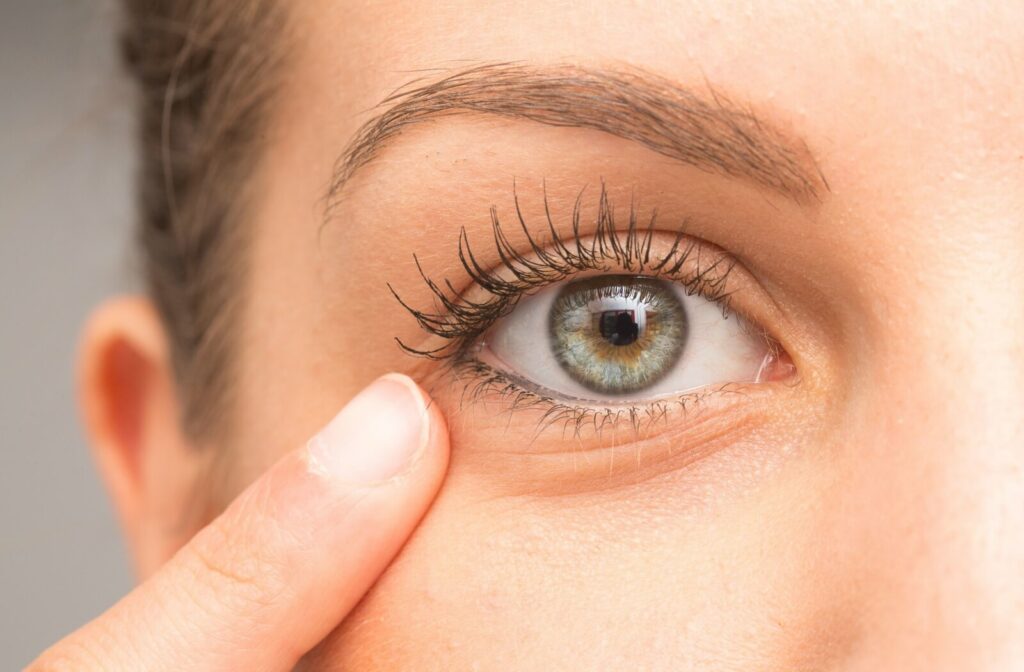
You might think an eye exam is just about checking if you need a new pair of glasses. While that’s part of it, our experienced team at Weston Optical knows the appointment covers so much more. It’s a chance to look at the health of your eyes, which is why scheduling routine eye exams can contribute to your overall wellness.
A comprehensive eye exam is a complete health check-up for your eyes that evaluates your vision, how well your eyes work together, and checks for any signs of eye conditions. Our team in the Wayland, Massachusetts, area is ready to help protect your vision and spot other health issues early.
More Than a Simple Vision Test
It is helpful to know the difference between a vision screening and a comprehensive eye exam. A screening, like one you might get for a driver’s license, only checks how well you see from a distance. It’s usually a quick pass-or-fail test.
A complete exam from an optometrist is much more detailed. These eye exams aim to provide a full picture of your eye health. Afterward, an optician can help you with your eyewear, like picking out glasses and helping you with the perfect fit.
How to Prepare for Your Appointment
When you know what to bring and what to ask, you can feel more comfortable and at ease during the appointment.
What to Bring with You
Bring a few items with you to help the eye doctor get a clear picture of your health history and current needs. It’s a good idea to bring:
- Your current glasses, sunglasses, or contact lenses.
- A list of any medications or supplements you take.
- Information about your family’s eye health history.
Questions for the Office
Knowing what to expect during the exam can be helpful. Depending on the person, the exam can vary, so it can be a good idea to call the office before your visit so they can provide you with personalized answers. Some questions you may want to ask could include:
- Will my pupils be dilated, and will I need someone to drive me home?
- How long will the appointment take?
- Does my insurance cover the exam?
A Step-by-Step Look at the Exam
A comprehensive eye exam involves a series of simple and comfortable tests. Each one gives your eye doctor important information about your eyes.
The Initial Chat and History
Your visit may start with a conversation. The eye doctor can ask about any vision problems you may have, your lifestyle, and your general health. This helps them understand your specific needs.
Check Your Vision Clarity
This part of the exam determines your prescription for glasses or contacts. It usually includes two main tests.
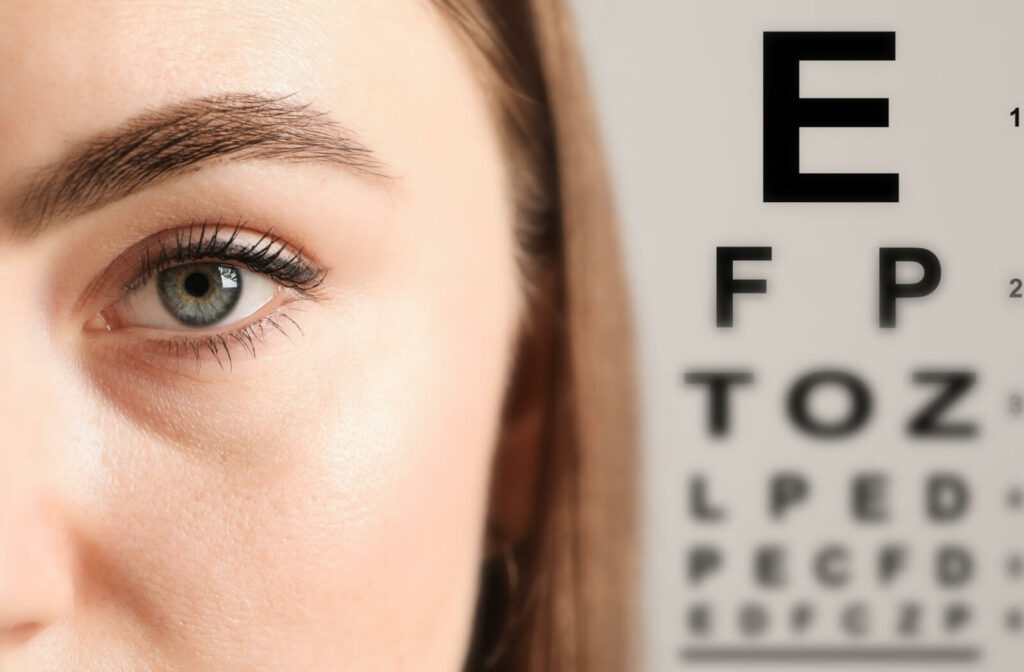
- Visual acuity test: You might read letters from an eye chart to measure the sharpness of your vision at different distances.
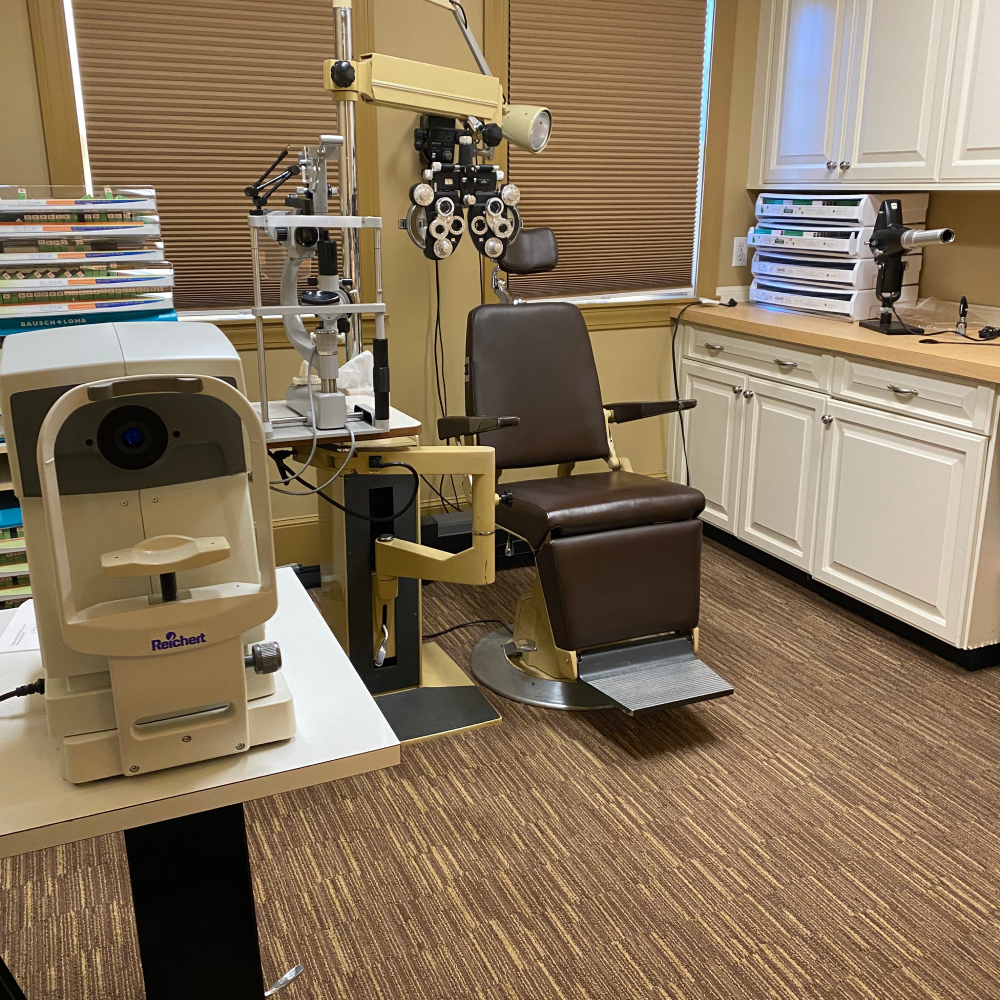
- Refraction test: You may look through a device with a series of lenses as the eye doctor asks, “Which is clearer, 1 or 2?” to find the exact lens power you need.
Test How Your Eyes Work as a Team
Clear vision can rely on your eyes working together. These tests check your eye alignment, movement, peripheral (side) vision, and depth perception.
A Close Look at Your Eye Health
The eye doctor can use specialized tools to check the physical structures of your eyes for any health issues. This could include:
- Slit lamp exam: A microscope can give the eye doctor a magnified view of the front and inside of your eye.
- Tonometry: This quick test can measure the pressure inside your eye to check for signs of glaucoma.
- Pupil dilation: The eye doctor may use drops to temporarily widen your pupils if needed. A dilated eye exam gives them a better view of the retina and optic nerve at the back of your eye.
What an Eye Exam Can Reveal About Your Health
Your eyes can offer a window into your overall health. An exam can spot eye conditions early and even detect signs of other health problems before you notice any symptoms.
Detect Common Eye Conditions
Regular exams help with the early detection of conditions that can affect your sight. Many of these develop slowly without obvious warning signs. Conditions can include:
- Glaucoma
- Cataracts
- Age-related macular degeneration
- Diabetic retinopathy
Find Signs of Other Health Issues
The delicate blood vessels in your retina (the back of your eye) can show early signs of other health conditions that affect your whole body. These may include:
- High blood pressure
- Diabetes
- Autoimmune disorders
What to Expect After the Exam
Once the tests are finished, the eye doctor can explain the results and what they mean for you. This is a great time to ask any questions you might have.
Discuss Your Results and Plan
The eye doctor can go over your vision and eye health, discuss any findings, and recommend a plan if needed. The eye care team can also let you know when to schedule your next exam.
Get Your Updated Prescription
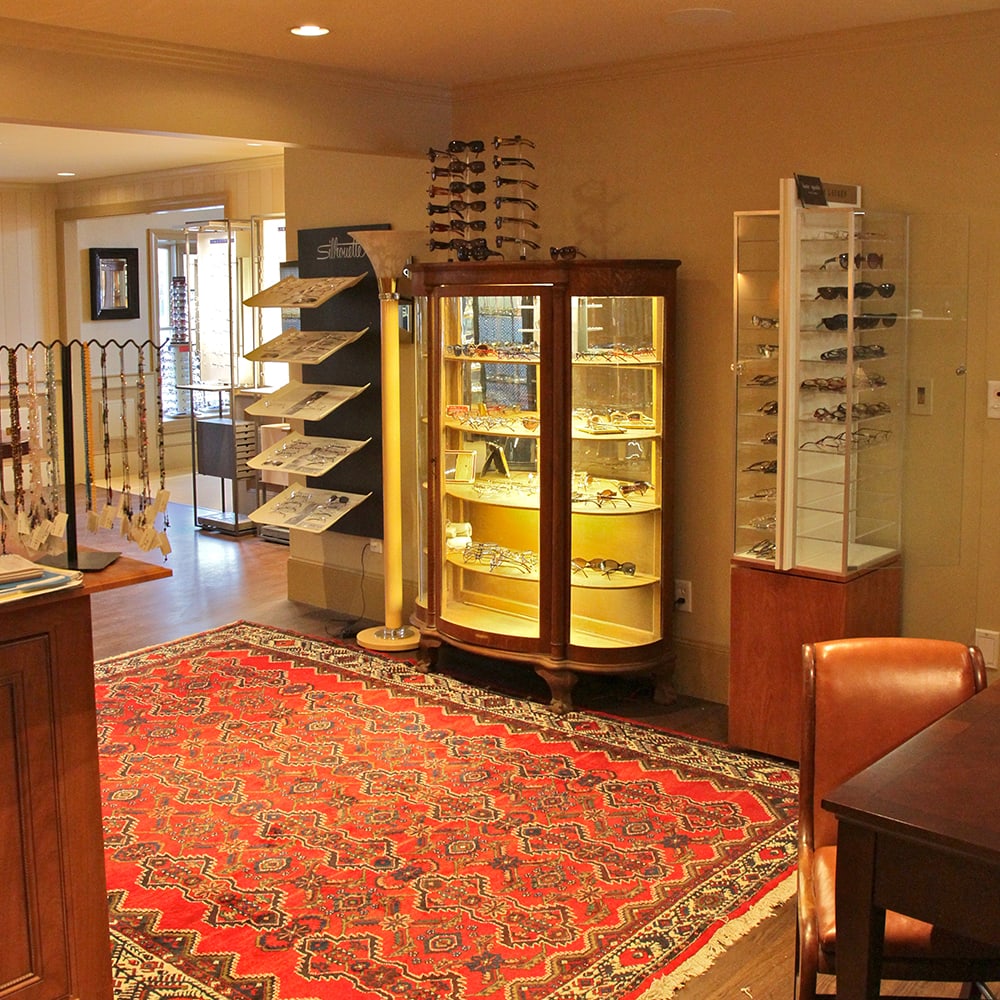
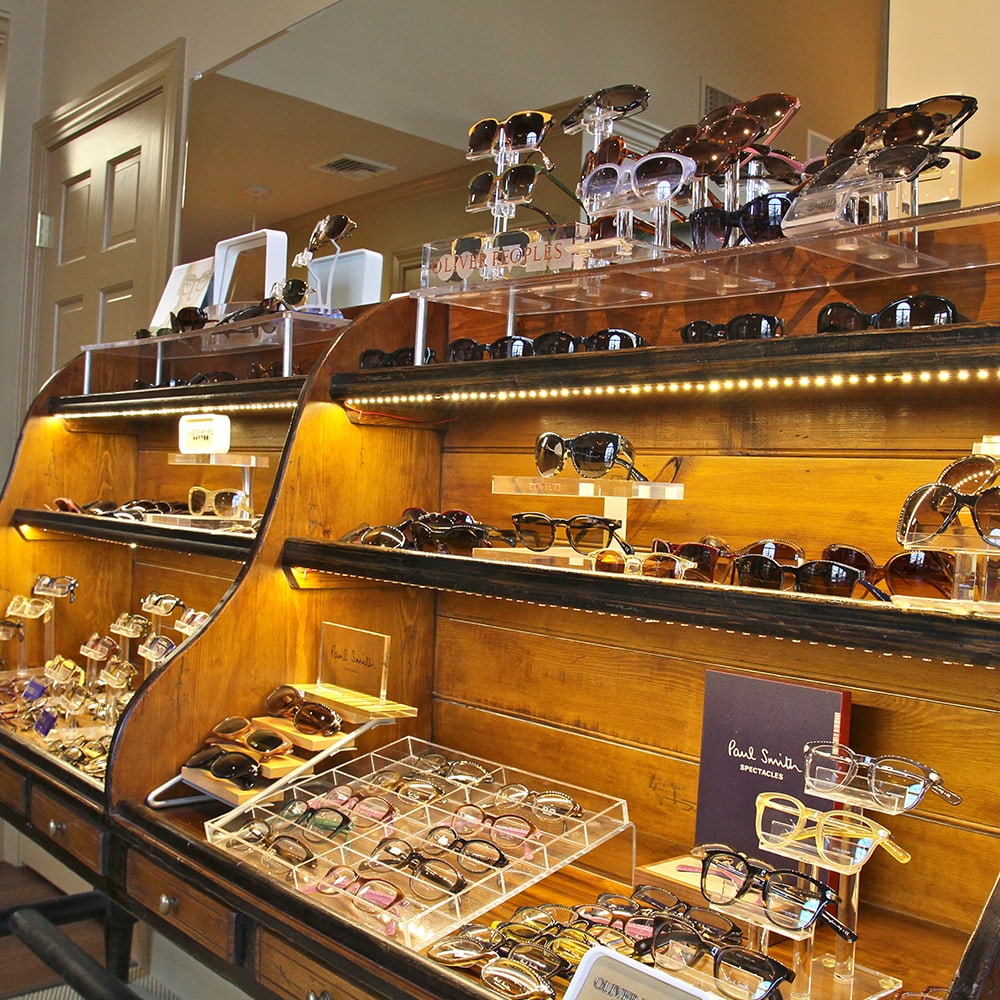
If you need vision correction, you may receive an updated prescription. You can then chat with one of our opticians who can help you choose the right frames that fit your life and personal style.
Come See Us for Complete Eye Care
A comprehensive eye exam can help protect your vision and provide a valuable window into your overall wellness. If you’re ready for the team at Weston Optical to guide you through every step of the process, from the exam to choosing your frames, book an appointment with us. We look forward to seeing you.